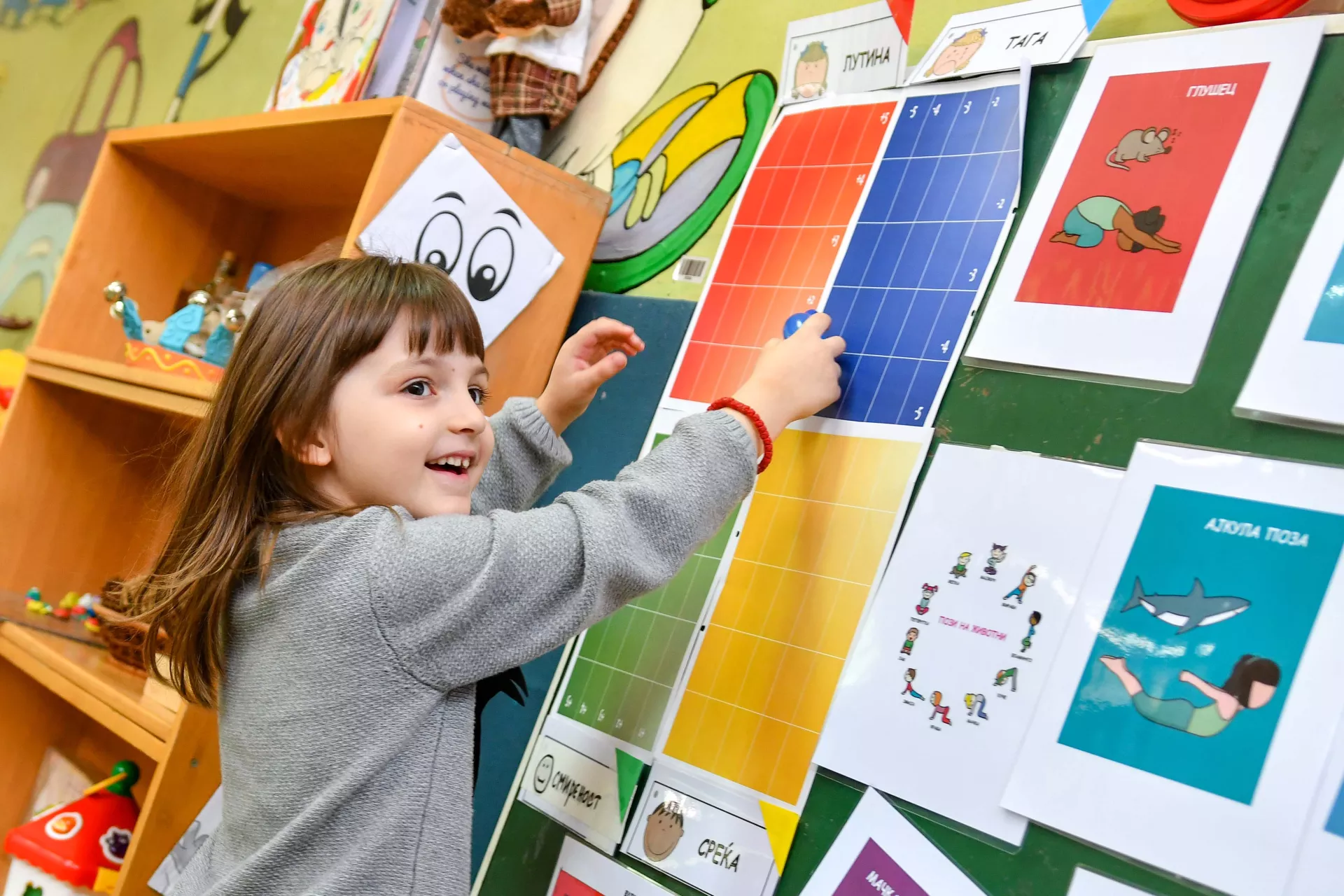
Early childhood education lays the foundation for lifelong learning. As educators, creating a stimulating classroom environment filled with engaging activities is crucial for nurturing young minds. This comprehensive guide provides practical, age-appropriate activity ideas that promote holistic development in children aged 2-6 years.
Why Classroom Activities Matter in Early Childhood Education
The early years are critical for brain development. Research shows that 90% of a child’s brain develops before age five. Quality classroom activities help children develop:
- Cognitive and problem-solving skills
- Social and emotional intelligence
- Fine and gross motor abilities
- Language and communication skills
- Creativity and imagination
When activities are well-planned and engaging, children learn naturally through play, exploration, and discovery.
Sensory Play Activities for Young Learners
Sensory Bins and Tables
Sensory play stimulates children’s senses and supports cognitive growth. Create themed sensory bins using:
Water Play Stations: Add measuring cups, funnels, and floating objects. Children develop mathematical concepts like volume and capacity while having fun.
Dry Sensory Bins: Fill containers with rice, dried beans, pasta, or sand. Hide small toys for treasure hunts that build fine motor skills.
Textured Exploration: Combine materials with different textures—smooth pebbles, rough bark, soft cotton balls, and bumpy pine cones.
Playdough and Clay Activities
Homemade playdough is economical and provides endless creative possibilities. Children can:
- Roll, squeeze, and shape to strengthen hand muscles
- Create letters, numbers, and shapes
- Use cookie cutters and rolling pins
- Mix colors to learn about color theory
Art and Creative Expression
Painting Techniques
Introduce various painting methods to keep art time exciting:
Process Art: Focus on the creative process rather than the final product. Let children experiment with brush strokes, finger painting, and sponge painting.
Nature Painting: Use leaves, flowers, and vegetables as stamps to create unique patterns.
Splatter Art: Outdoor splatter painting teaches cause and effect while allowing energetic expression.
Coloring and Fine Motor Development
Coloring activities are excellent for developing pre-writing skills. Provide age-appropriate coloring materials including:
- Chunky crayons for toddlers
- Regular crayons and markers for preschoolers
- Colored pencils for kindergarteners
Free printable resources are available through various educational websites that offer themed coloring pages matching your curriculum topics—from animals and seasons to holidays and community helpers.
Collage and Mixed Media
Collage activities encourage creativity and decision-making. Provide:
- Magazine cutouts
- Tissue paper
- Natural materials (leaves, twigs)
- Recycled materials (buttons, fabric scraps)
- Glue sticks and child-safe scissors
Literacy and Language Development Activities
Interactive Storytelling
Transform story time into an immersive experience:
Story Props: Use puppets, felt boards, or physical objects related to the story.
Dramatic Play: Encourage children to act out stories with costumes and props.
Story Sequencing: After reading, have children arrange picture cards in the correct order.
Phonics and Letter Recognition
Make letter learning hands-on and multisensory:
Alphabet Hunts: Hide letter cards around the classroom for exciting scavenger hunts.
Letter Formation: Practice writing letters in sand trays, shaving cream, or with finger paint.
Sound Sorting: Sort objects or pictures by their beginning sounds.
Rhyme and Word Play
Phonological awareness develops through playful activities:
- Sing nursery rhymes and action songs
- Play rhyming games and “I Spy” with sounds
- Create silly sentences with alliteration
- Read rhyming books with predictable patterns
Mathematics Through Hands-On Learning
Counting and Number Recognition
Counting Collections: Children count buttons, shells, or blocks and record their findings.
Number Hunts: Search the classroom for specific numbers on labels, books, and displays.
One-to-One Correspondence: Practice setting the table with one plate, one cup, one napkin per person.
Pattern and Shape Activities
Pattern Blocks: Create and extend patterns using colored blocks or beads.
Shape Sorting: Sort classroom objects by shape, size, or color.
Shape Art: Create pictures using only geometric shapes—circles for faces, triangles for trees.
Measurement and Comparison
Introduce mathematical concepts naturally:
- Compare heights using non-standard units (cubes, hands)
- Weigh objects on a balance scale
- Measure ingredients for cooking activities
- Sort objects by size from smallest to largest
Science and Discovery Activities
Nature Exploration
Bring the outdoors inside or take learning outside:
Nature Tables: Display seasonal items children can observe, touch, and discuss.
Plant Growth: Grow beans in clear containers to observe root development.
Weather Observation: Create a daily weather chart and discuss changes.
Insect Study: Use magnifying glasses to examine bugs safely (in containers).
Simple Science Experiments
Sink or Float: Test various objects in water and record predictions versus results.
Color Mixing: Combine primary colors using water, paint, or colored ice cubes.
Magnet Exploration: Discover which objects are magnetic and which aren’t.
Volcano Eruption: Mix baking soda and vinegar for a safe, exciting reaction.
Cooking Activities
Cooking integrates multiple skills—math, science, literacy, and following directions:
- Making no-bake snacks (trail mix, fruit kabobs)
- Decorating cookies or cupcakes
- Creating healthy smoothies
- Assembling simple sandwiches
Physical Development and Movement
Gross Motor Activities
Obstacle Courses: Design indoor or outdoor courses using cushions, tunnels, cones, and balance beams.
Dance and Movement: Follow freeze dance, musical statues, or movement songs like “Head, Shoulders, Knees, and Toes.”
Ball Games: Practice throwing, catching, kicking, and rolling with various sized balls.
Yoga for Kids: Teach simple poses with animal names (cat, dog, tree, butterfly).
Fine Motor Skill Builders
Threading and Lacing: Use beads, pasta, or lacing cards.
Cutting Practice: Progress from playdough to paper with age-appropriate scissors.
Tweezers and Tongs: Transfer small objects between containers using different tools.
Buttoning and Zipping: Practice life skills on dressing boards or real clothing.
Social-Emotional Learning Activities
Circle Time Discussions
Feelings Check-In: Use emotion cards or charts for children to identify their feelings.
Show and Tell: Build confidence and public speaking skills.
Problem-Solving Scenarios: Discuss social situations and brainstorm solutions together.
Cooperative Games
Parachute Play: Work together to make waves, bounce balls, or create a mushroom.
Building Together: Collaborate on large block constructions or group art projects.
Musical Chairs (No Elimination): Everyone works together to fit on fewer chairs without leaving anyone out.
Dramatic Play Centers
Rotate themes in your dramatic play area:
- Home/kitchen center
- Doctor’s office or hospital
- Grocery store or restaurant
- Post office or library
- Construction site
STEM Activities for Early Learners
Building and Construction
Block Play: Provide wooden blocks, LEGO DUPLO, or magnetic tiles for open-ended construction.
Ramps and Rolling: Explore inclined planes by rolling cars down ramps of different heights.
Bridge Building: Challenge children to build bridges strong enough to hold toy cars.
Technology Integration
When used appropriately, technology enhances learning:
- Interactive whiteboards for group activities
- Tablets with educational apps (limited, supervised use)
- Digital cameras for documenting learning
- Simple coding toys (programmable robots for young children)
Engineering Challenges
Marshmallow Towers: Build structures using toothpicks and marshmallows.
Paper Bridges: Create bridges that can hold weight using only paper and tape.
Egg Drop Challenge: Design protective containers for raw eggs (adapted for preschoolers with plastic eggs).
Music and Rhythm Activities
Singing and Songs
Music develops language, memory, and coordination:
- Action songs with movements
- Songs teaching concepts (alphabet song, counting songs)
- Cultural songs from diverse backgrounds
- Echo songs for call-and-response
Instrument Exploration
Homemade Instruments: Create shakers, drums, and bells from recycled materials.
Rhythm Patterns: Clap, stomp, or play simple patterns for children to echo.
Musical Freeze: Dance while music plays, freeze when it stops.
Instrument Sorting: Classify instruments by how they’re played (shake, hit, blow).
Outdoor Learning Activities
Nature-Based Learning
Scavenger Hunts: Create picture lists of natural items to find.
Garden Projects: Plant flowers, vegetables, or herbs children can care for.
Shadow Play: Trace shadows at different times of day to observe changes.
Nature Art: Create mandalas, faces, or designs using found natural materials.
Outdoor Physical Activities
Chalk Games: Draw hopscotch, shapes, or letters on pavement.
Water Play: Use spray bottles, buckets, and sponges for cooling summer fun.
Bubble Exploration: Investigate bubble science—size, shape, longevity.
Outdoor Obstacle Courses: Use natural features combined with equipment.
Cultural Awareness and Diversity
Multicultural Activities
World Music and Dance: Explore music and traditional dances from various cultures.
International Food Tasting: Sample foods from different countries (respecting allergies).
Story Time Diversity: Read books featuring characters from diverse backgrounds.
Cultural Celebrations: Learn about and celebrate holidays from various traditions.
Community Helpers Unit
Role Play: Set up centers representing different community jobs.
Guest Speakers: Invite parents or community members to share about their professions.
Field Trips: Visit local fire stations, libraries, or farms.
Seasonal and Holiday Activities
Fall Activities
- Leaf collecting and sorting
- Pumpkin exploration and measurement
- Apple tasting and graphing favorites
- Fall sensory bins with acorns and corn
Winter Activities
- Snowflake art and symmetry
- Ice experiments and melting observations
- Winter animal studies (hibernation)
- Hot cocoa math (counting marshmallows)
Spring Activities
- Planting seeds and observing growth
- Butterfly life cycle studies
- Rain measurement and cloud observation
- Spring cleaning dramatic play
Summer Activities
- Beach-themed sensory play
- Ice painting and frozen experiments
- Bug catching and observation
- Water table science
Tips for Successful Activity Implementation
Preparation and Planning
Age Appropriateness: Always consider developmental stages when selecting activities.
Safety First: Assess materials and activities for choking hazards, toxicity, and physical safety.
Material Organization: Keep supplies organized and easily accessible.
Timing: Plan activities according to children’s attention spans (10-15 minutes for toddlers, 20-30 for preschoolers).
Differentiation Strategies
Simplify or Extend: Adapt activities for different skill levels within your classroom.
Multiple Entry Points: Design activities that children can engage with at various developmental levels.
Learning Styles: Incorporate visual, auditory, and kinesthetic elements.
Classroom Management
Clear Expectations: Establish and model rules before beginning activities.
Smooth Transitions: Use songs, visual timers, or countdown warnings.
Cleanup Routines: Make tidying up part of the activity with sorting games or cleanup songs.
Documenting Children’s Learning
Assessment Through Observation
Learning Stories: Document significant moments in children’s play and learning.
Photo Documentation: Capture children engaged in activities to share with families.
Portfolio Collections: Save representative work samples throughout the year.
Anecdotal Notes: Record observations of skill development and interests.
Frequently Asked Questions
How many activities should I plan per day?
Plan 5-7 structured activities daily, including circle time, literacy, math, art, sensory play, outdoor time, and music/movement. However, allow ample time for free play and child-initiated activities.
What if children lose interest in an activity quickly?
This is normal for young children. Have extension ideas prepared, or be ready to transition to another activity. Short attention spans are developmentally appropriate—follow the children’s lead.
How do I manage activities with mixed age groups?
Choose open-ended activities that children can engage with at different levels. Pair older children with younger ones as helpers, and provide varied materials to support different developmental stages.
What are the best low-cost classroom activities?
Many excellent activities use everyday materials: cardboard boxes for dramatic play, nature items for sensory bins, recycled materials for art, and homemade playdough. Free printable resources for educational activities are widely available online.
How do I incorporate learning standards into play-based activities?
Identify learning objectives first, then design playful activities that address these goals. For example, a grocery store dramatic play center addresses math (counting money), literacy (reading labels), and social skills (cooperation).
What’s the ideal balance between teacher-directed and child-initiated activities?
Aim for 50-50 balance. Teacher-directed activities ensure skill development and curriculum coverage, while child-initiated play fosters creativity, problem-solving, and intrinsic motivation.
How can I make activities more inclusive for children with special needs?
Provide adaptive materials (larger grips, sensory-friendly options), offer visual supports, allow for movement breaks, and modify activities based on individual needs. Consult with special education specialists for specific accommodations.
How often should I rotate activities and centers?
Rotate dramatic play centers every 2-3 weeks, but keep core areas (blocks, art, library) permanent with periodic material updates. Introduce new activities when children show decreased interest or mastery of current ones.
Conclusion
Creating engaging classroom activities for early childhood learners requires thoughtful planning, creativity, and flexibility. The best activities combine learning objectives with children’s natural curiosity and love of play. By incorporating diverse activity types—from sensory exploration and creative arts to STEM challenges and outdoor adventures—you create a rich learning environment where every child can thrive.
Remember that the most effective activities are those that:
- Match children’s developmental levels
- Encourage hands-on exploration
- Allow for creativity and choice
- Foster social interaction
- Connect to children’s interests and experiences
As you implement these ideas in your classroom, observe how children respond and adapt accordingly. Every group of children is unique, and the best educators are those who remain flexible, responsive, and enthusiastic about learning alongside their students.
Start with a few new activities each week, build on what works, and most importantly, enjoy the journey of discovery with your young learners. The foundation you’re building today will support their lifelong love of learning.